


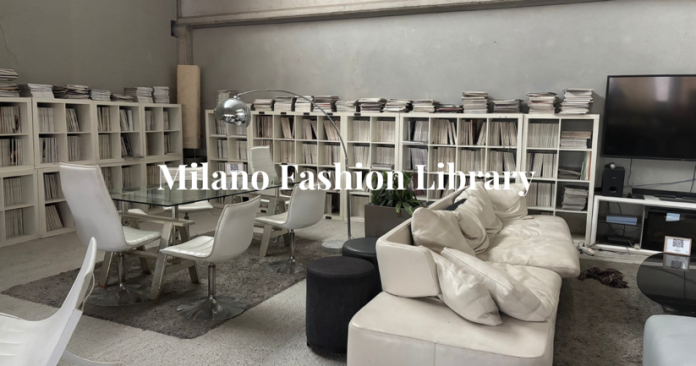
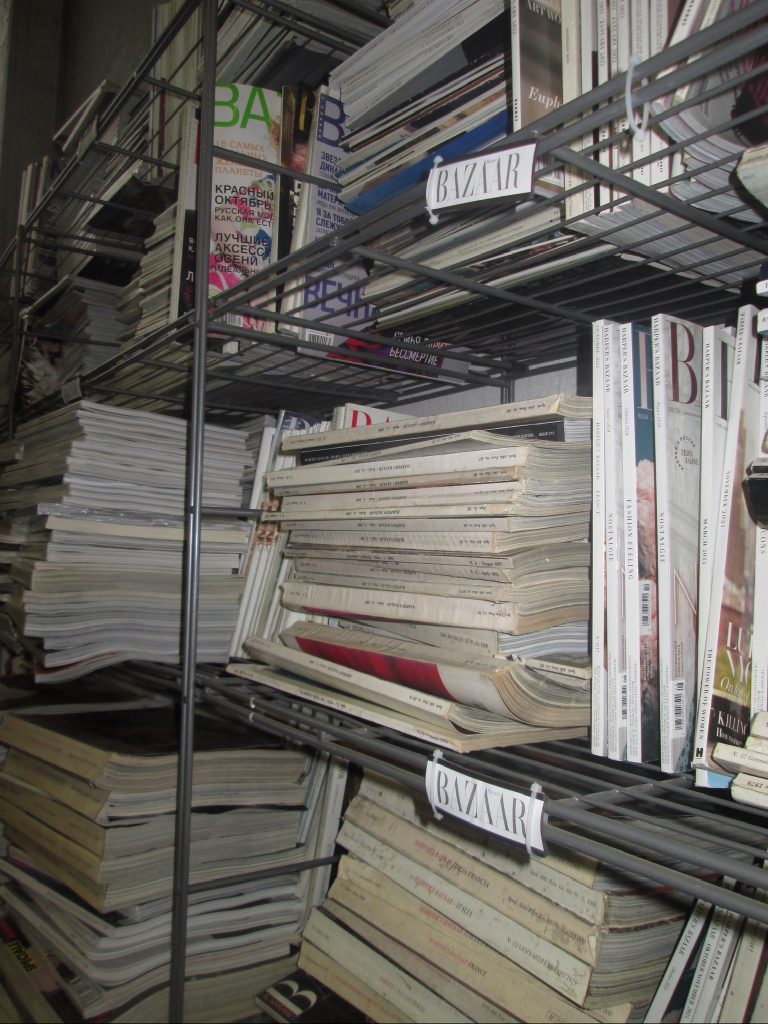
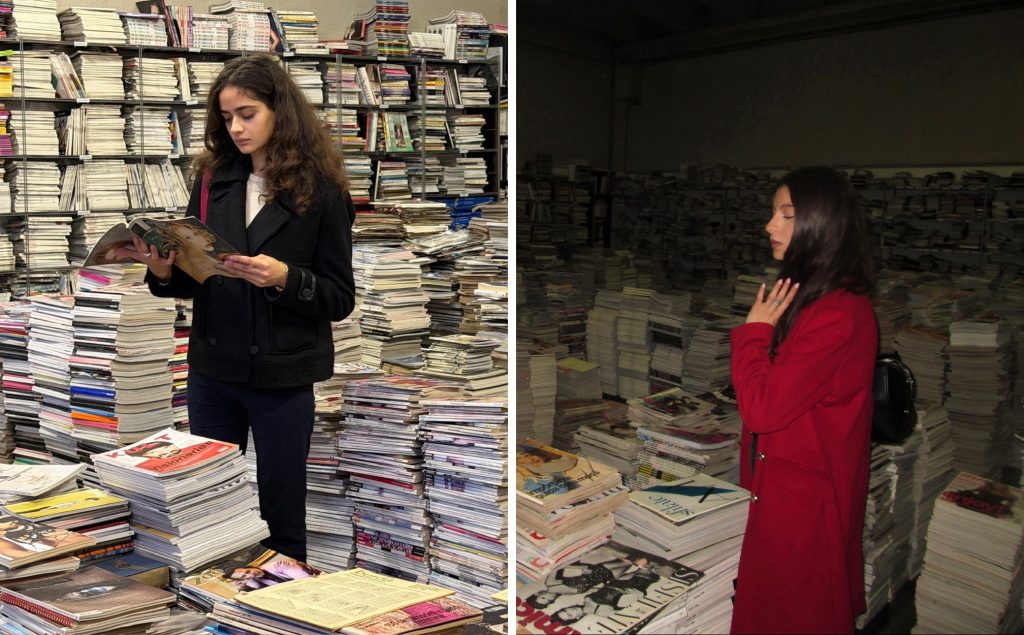
Milano Fashion Library is considered the largest fashion library and archive in Europe. Just outside Milan, it holds more than 80,000 publications from around the world, dating from 1850 to the present day: magazines, books, brand catalogues, lookbooks and trend books. What began as a private collection in the early 1990s has become an essential point of reference for designers, researchers, students and fashion lovers, and since 2024 the library has also had a presence in Dubai.
We had the opportunity to visit the library in person and experience this unique space firsthand, where stacks of magazines reach almost to the ceiling and every shelf opens a new page of fashion history. We also asked the library’s founder, Diego Valisi, a few questions: we talked about how the archive was born, his most remarkable finds, the role of
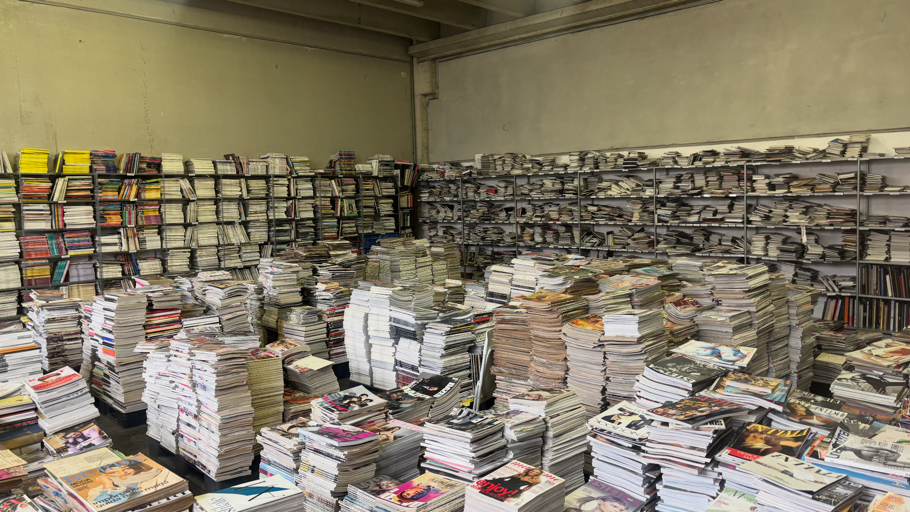
The library started from your personal collection in the early 1990s. What was the first publication you bought with the intention of keeping it, and when did you realise it had become a real archive rather than a personal passion?
The first publications I kept, at the beginning of my career in fashion publishing, were catalogues from the brands of the companies I worked with professionally: Romeo Gigli, Dolce & Gabbana, Versace and Armani. Although the collection kept growing and came to include magazines and books as well, it remained more of a hobby until 2020, during the difficult period of the COVID-19 pandemic, when I became convinced that it could be transformed into a structured initiative.
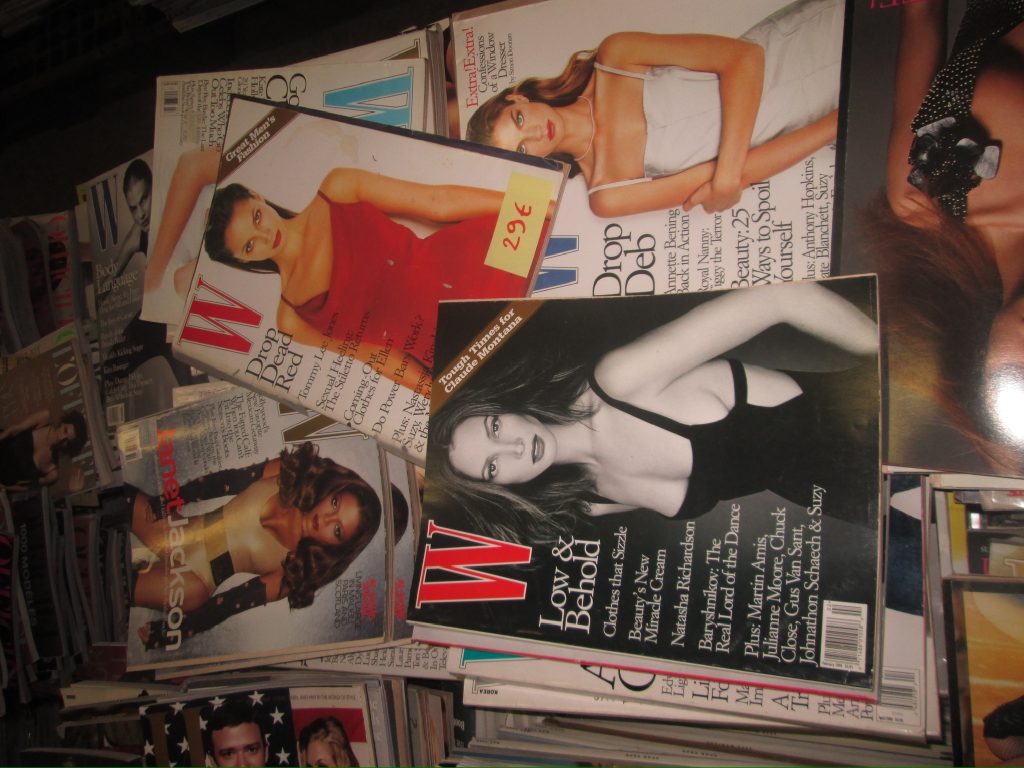
With more than 80,000 publications dating back to 1850, which single item do you consider the most precious, and what is the story of how you found it?
Rather than a single item, I would say the most exciting find was acquiring, in Paris, the complete collection of the magazine La Mode Illustrée, covering the period from 1860 to 1937 and spanning more than 70 volumes. I bought it at a flea market. At the time, I didn’t realise how complicated it would be to transport the collection from Paris to Milan.
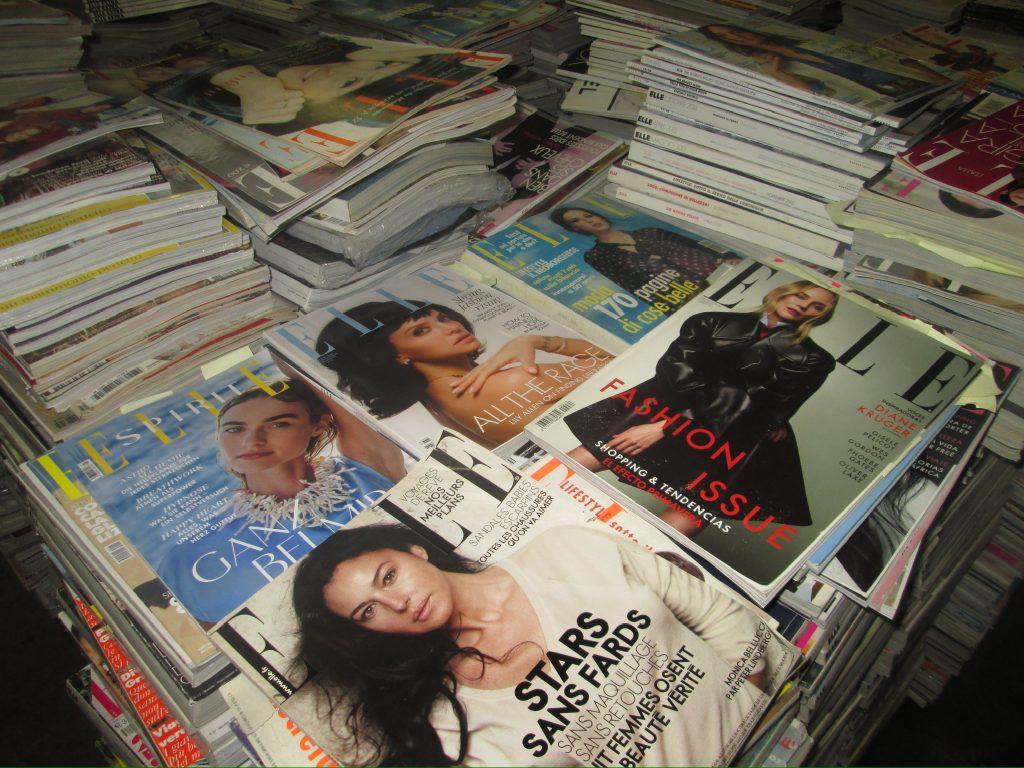
How do you currently decide what becomes part of the archive? Is there anything you deliberately don’t collect?
I can explain our approach to research and acquisition, which always starts with materials that are difficult to find through traditional distribution channels. Beyond that, we don’t present ourselves as a single fashion library, but rather as a confederation of smaller libraries dedicated to menswear, womenswear, accessories, jewellery, sportswear, childrenswear, swimwear and lingerie, as well as watches and interior design. People come to us to study the specific sector they work in, and Milano Fashion Library must be able to provide what they are looking for.
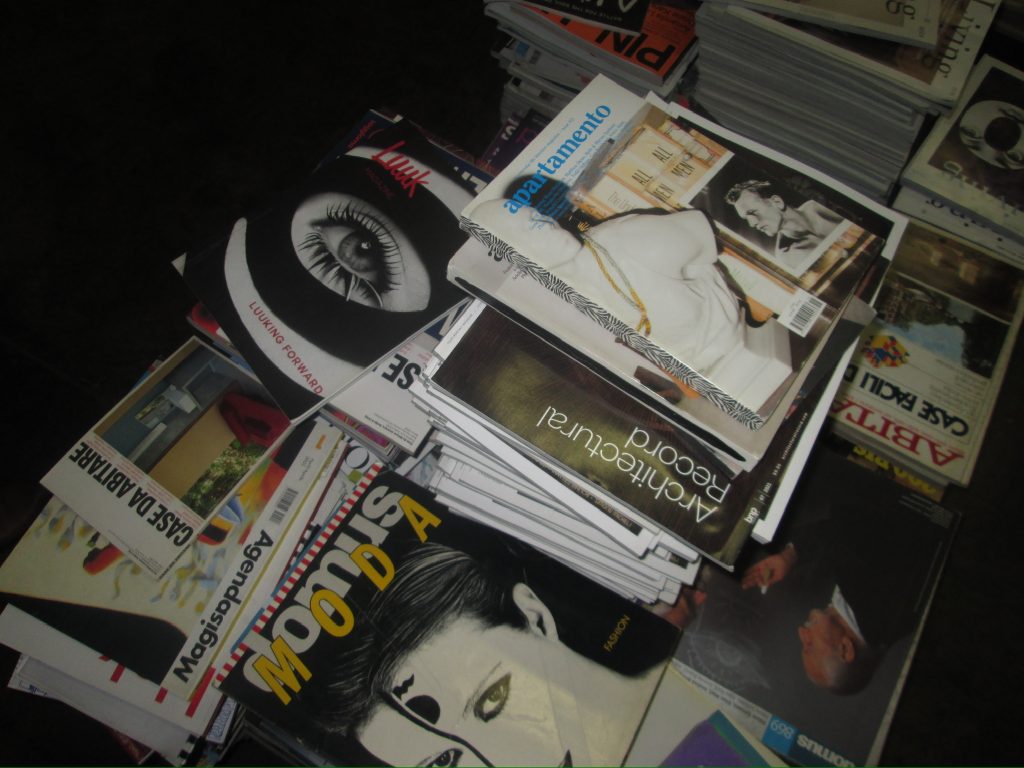
How would you describe the library’s influence on the creative process of the people who come here to do research?
The influence is quite significant. Moodboards are created in our spaces that go on to inspire future collections, and many design studios of major fashion brands entrust us with their research. We estimate the time and costs, and then send the images in digital format directly to their offices, anywhere in the world.
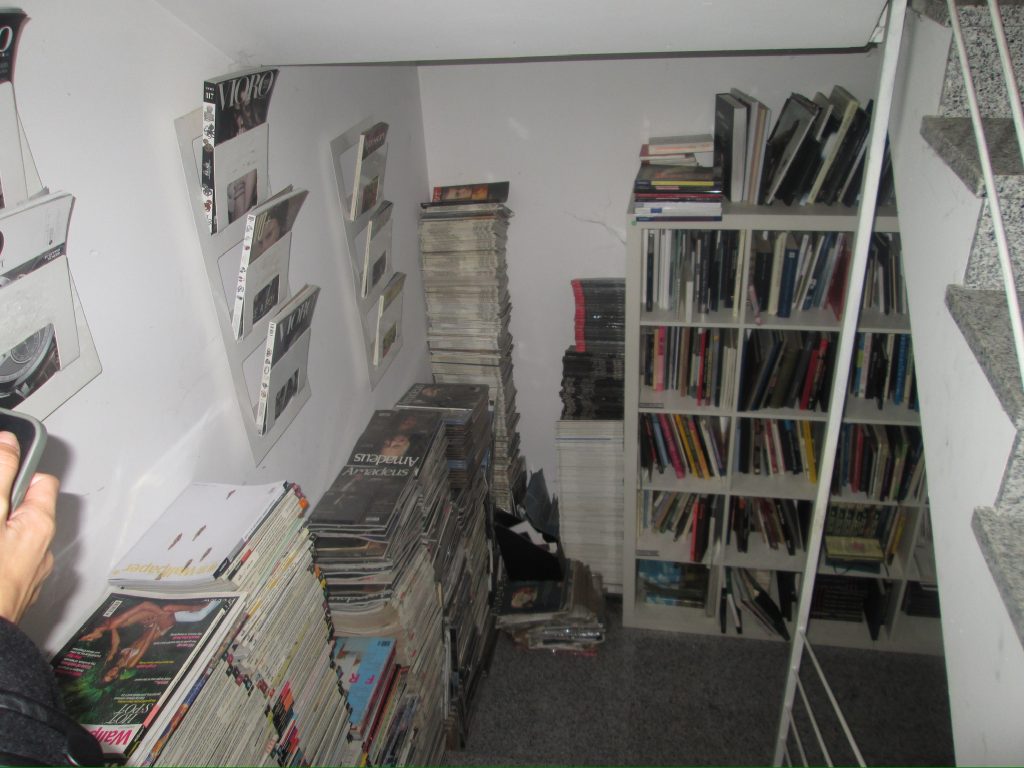
What role do you see for digital archives, and what can a physical copy offer that a scan never will?
The digital world evolves every day, and the answer I give you today may no longer be relevant next year. Let’s start with an often overlooked issue that helps us understand the current landscape of our industry. We estimate that at least 30,000 publications in our archive have no trace whatsoever online. In many cases, these are magazines issued by publishers or catalogues produced by brands that had already ceased operating before Google existed, or artisanal publications that were never published on the internet. Today, all of this material can only be found in an archive like Milano Fashion Library.
This is an important point that many people forget, because they assume everything can be found without leaving the comfort of their own home.
As for indexed digital scans, they are extremely useful for finding visual inspiration, but they cannot convey the atmosphere that a brand or publisher wanted to communicate through a physical publication. The choice of paper, the format, and the use of refined printing and finishing techniques, such as glossy photographs on a matte background, cannot be fully reproduced on a screen.
I think the answer lies in the difference between seeing Renoir’s Bal du moulin de la Galette in real life and seeing the same image digitally on your smartphone.
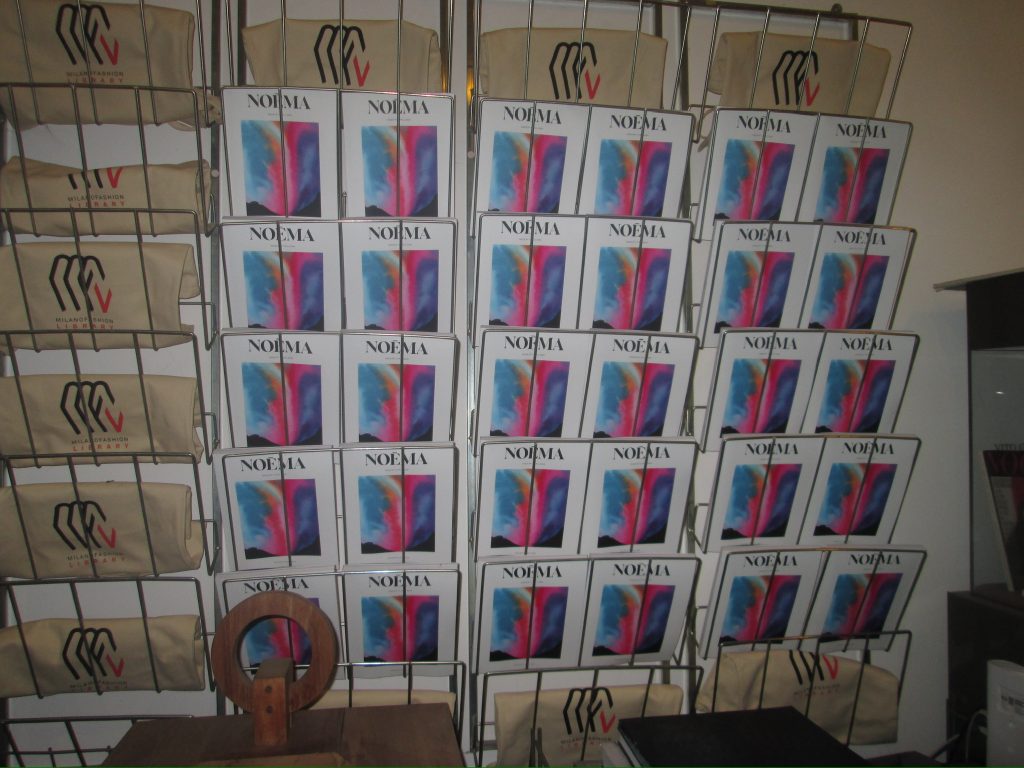
What led Milano Fashion Library to open in Dubai, and what differences have you noticed between how people approach fashion history and archives there and in Milan?
They are two completely different realities, including from a structural perspective. Dubai operates as a franchise, the first and, we hope, one of several we would like to open in different countries, and it is more of a bookshop than a library. From Milan, we manage communication, select the publications and organise regular exhibitions designed to attract visitors and generate interest in the initiative.
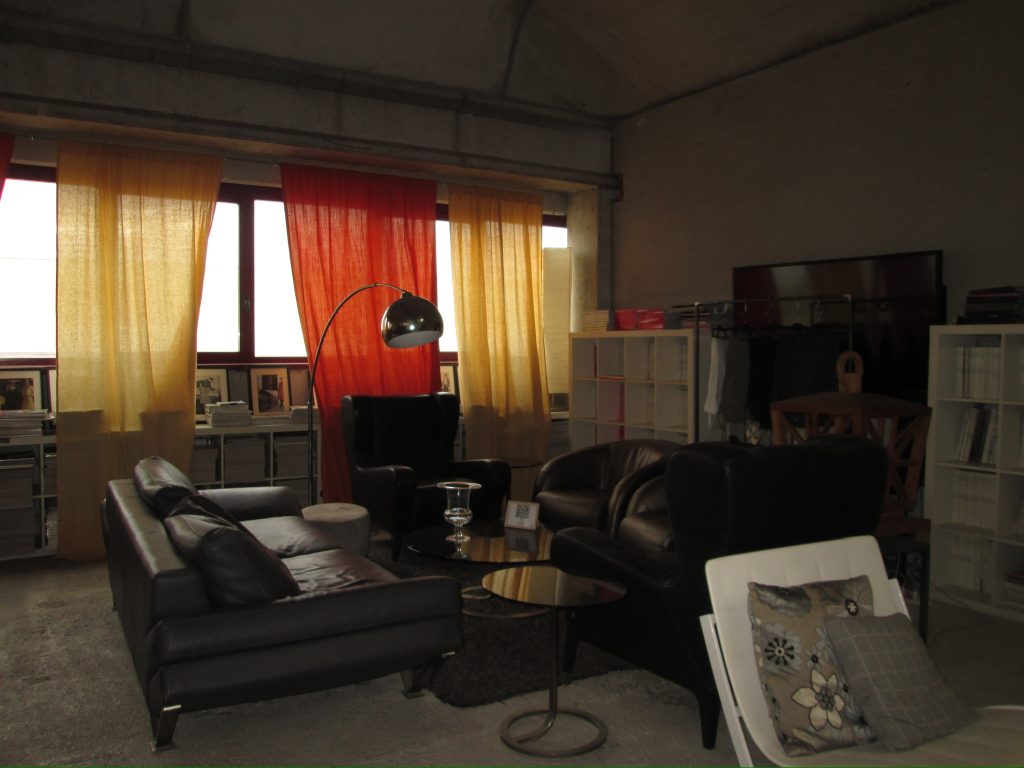
Where would you like to see Milano Fashion Library in ten years?
This is a question that particularly interests me. In ten years, Milano Fashion Library will offer an even wider range of services, building on the many we already provide today, including:
● Iconographic research and image sourcing for new collections.
● Creating moodboards using rare publications.
● Historical bibliographic and legal research.
● Certified rental of vintage magazines and volumes for set design, photo shoots and events.
● Historical and documentary due diligence to support the relaunch of dormant brands.
The library will certainly be larger and, most importantly, it will also be accessible remotely, becoming a fully fledged medium for dialogue between book and magazine publishers and their target audiences.
If a young fashion lover could read only three publications from your archive, which would you recommend and why?
I would recommend the first issue of L’Uomo Vogue from 1967, the first issue of Vogue Italia under editor-in-chief Franca Sozzani, published in July 1988, and the 1997 catalogue La Maison Martin Margiela: (9/4/1615).
We would like to sincerely thank Diego Valisi for his cooperation, his time and his candid answers, and for opening the doors of the library to us. Milano Fashion Library shows that fashion history does not belong only to the past: it is a living resource that continues to nourish new ideas and collections today. We look forward to the library’s future projects and to seeing how it grows in the years ahead.
Text and Photos – Natalia Papuashvili / Khatia Kotsitsashvili